Understanding the psychology behind casino games
The Allure of Risk and Reward
The psychology of casino games is deeply rooted in the human attraction to risk and reward. When players enter a gaming venue, they are often captivated by the prospect of winning substantial amounts, driven by the thrill and adrenaline associated with taking risks. This allure is intensified by the possibility of immediate returns, appealing to our inherent desire for instant gratification. The excitement generated by high-stakes games, where outcomes remain uncertain, evokes a powerful emotional response that keeps players engaged and deeply invested in the experience, especially when they consider the best online casino in new zealand for their gaming adventures.
Furthermore, the unpredictability of outcomes significantly contributes to the appeal of casino gaming. Each spin of the roulette wheel or flip of a card ignites a sense of anticipation, creating a unique form of entertainment that is intrinsically linked to the act of gambling itself. This uncertainty breeds feelings of hope and exhilaration, bridging the gap between the ordinary and the extraordinary. The design of casino games intentionally incorporates this unpredictability, enhancing the overall engagement and enjoyment for the player.
The interplay of risk and reward leads to a behavioral psychology phenomenon known as variable reinforcement. This principle posits that players are more inclined to continue interacting with a game when rewards are unpredictable. When wins are sporadic yet emotionally significant, they reinforce the behavior of playing. As players experience the highs of winning—however infrequent—they tend to overlook their losses. This dynamic creates a cycle of attraction, potentially leading to prolonged play and increased financial investment in the gaming experience.
The Role of Cognitive Biases
Cognitive biases significantly shape the experience of casino gaming, often leading players to make irrational decisions. One prominent example is the illusion of control, where individuals mistakenly believe they can influence random outcomes. A player might feel that by employing specific strategies or repeating certain actions, they can alter the odds in their favor. This erroneous belief encourages continued participation, as players search for non-existent patterns in games that are fundamentally designed to be random.
The gambler’s fallacy is another cognitive bias that profoundly impacts decision-making in a casino context. This fallacy leads players to erroneously assume that past outcomes will influence future results, such as believing that after a series of losses, a win is imminent. This misconception can result in chasing losses and misinterpretations of probabilities, perpetuating a cycle of gambling behavior. Recognizing these biases is essential for both players and casino operators as they navigate the intricate complexities of human psychology.

These cognitive biases also contribute to what is known as the «near-miss effect.» Players experience this phenomenon when they come close to winning, such as hitting two out of three required symbols on a slot machine. This close call elicits a strong emotional response, motivating players to continue playing despite not achieving a win. The psychological impact of perceived near-wins is significant, as it fuels the player’s desire to keep trying, further reinforcing the gambling behavior.
The Impact of Environment and Design
The design of casino environments is meticulously crafted to stimulate and maintain player engagement. Elements such as lighting, sound, and layout are optimized to create a sensory-rich experience that immerses players in a vibrant world of excitement. Bright lights and vivid colors are strategically employed to draw attention to machines and tables, while carefully curated sounds—like the ringing of coins or celebratory music—evoke positive emotions and enhance the overall atmosphere, making the experience more enjoyable.
Casinos often utilize layouts that encourage prolonged play by minimizing the visibility of exits and providing comfortable seating arrangements. This strategy effectively allows players to lose track of time as they navigate through a maze of games designed to captivate them. The integration of complimentary beverages and other amenities further contributes to the extended visit, reinforcing the idea that the casino is a place of leisure and enjoyment, where time can be spent without concern.
Additionally, promotional materials, such as loyalty programs and bonus incentives, tap into the psychology of reward anticipation. Players are motivated by the prospect of earning points or receiving perks, fostering a sense of investment in the overall casino experience. This combination of environment and rewards enhances the connection between players and the gaming venue, ultimately leading to increased patronage and spending, as players feel a deeper attachment to their gaming experience.
The Emotional Rollercoaster of Gambling
Casino games often evoke a wide spectrum of emotions that can significantly affect players’ decision-making processes. The thrill of winning can produce feelings of euphoria and excitement, while losses may lead to frustration or disappointment. Understanding this emotional rollercoaster is crucial, as it strongly influences how players engage with games. Those who can effectively manage their emotions tend to view gambling as a form of entertainment, while others may find themselves ensnared in a cycle of compulsive behavior.
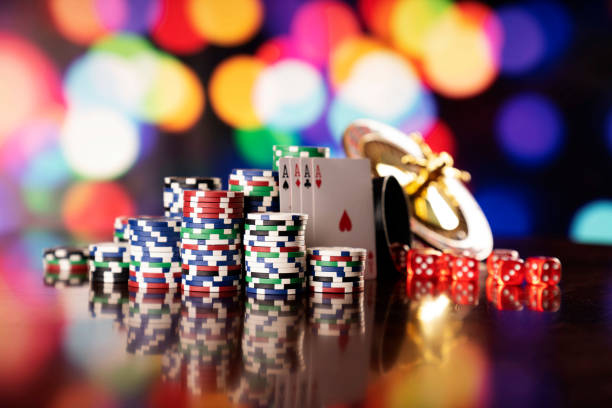
The emotional highs and lows associated with gambling create a profound psychological pull towards the game. The disparity between winning and losing heightens excitement and makes players increasingly eager to chase that elusive win. As emotions fluctuate, players may become more willing to take risks or gamble beyond their initial intentions. This escalation in betting behavior can have severe financial consequences for some individuals, emphasizing the importance of understanding the emotional dynamics at play.
Moreover, the connection between emotions and gambling is often reinforced by social environments. The act of gambling can foster a sense of belonging and camaraderie among players, as they share the highs and lows of the experience together. This social aspect can further perpetuate gambling behavior, as individuals are motivated to return not just for the games but also for the social interactions. Recognizing these emotional dynamics is vital for comprehending the complexities of gambling behavior and its psychological implications.
Understanding Casino Gaming on a Broader Scale
For anyone interested in exploring the psychology of casino gaming in greater depth, gaining insights into these behavioral patterns can offer valuable perspectives. Content that delves into these themes can empower players by fostering a more profound understanding of their motivations and emotions related to gambling. By acknowledging the psychological elements at play, individuals can make informed decisions about their gambling habits, potentially reducing the risk of problem gambling and ensuring a more balanced approach.
Furthermore, as the casino industry continues to evolve, it becomes increasingly essential for operators to remain attuned to the psychological aspects that influence player behavior. By creating environments that promote responsible gaming and offering support for those who may be at risk of developing gambling issues, casinos can contribute to a healthier gaming culture. Providing information and resources concerning problem gambling can encourage a more balanced approach that prioritizes enjoyment and responsibility.
Ultimately, understanding the psychology behind casino games enriches the overall experience, equipping players with tools to navigate the complex interplay between skill, chance, and emotional engagement. By fostering awareness of these factors, individuals can enjoy casino gaming as a form of entertainment while remaining mindful of their habits and choices. This awareness can lead to a more sustainable and enjoyable gaming experience for both players and operators alike.