Exploring the intricacies of gambling A comprehensive overview
Exploring the intricacies of gambling A comprehensive overview
The Evolution of Gambling
Gambling has a rich history that spans centuries, evolving from simple games of chance to a multi-billion-dollar global industry. Early forms of gambling can be traced back to ancient civilizations, where dice were made from materials like bones or stones. These games were often tied to social or religious practices, highlighting the deep cultural significance of gambling in human society. Over time, as societies became more structured, so too did the methods of gambling, leading to the establishment of formal betting systems.
The advent of the printing press in the 15th century significantly influenced gambling practices. It facilitated the distribution of gambling-related literature, leading to increased public interest and participation. The establishment of state-run lotteries in the 16th century laid the groundwork for modern gambling, allowing governments to generate revenue while providing entertainment. This blend of economic benefit and recreational appeal continues to be a driving force behind the popularity of gambling.
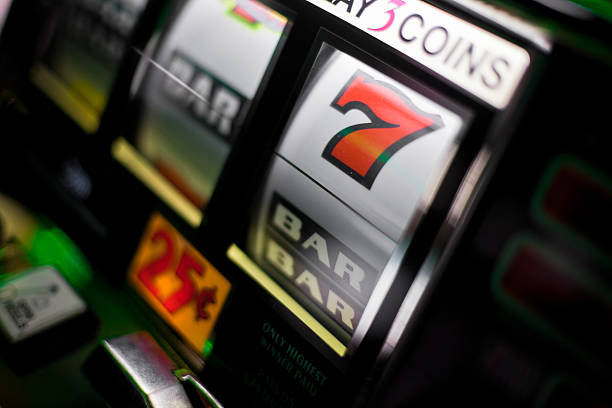
With the rise of technology in the 20th century, gambling underwent another transformation. The introduction of electronic slot machines and video poker expanded the landscape of gambling, making it more accessible and appealing to a broader audience. The internet revolution further accelerated this trend, giving rise to online casinos and mobile gaming apps. Today, players from all over the world can engage in various gambling activities, often from the comfort of their homes, creating an unprecedented global gambling community.
Understanding Gambling Mechanics
At its core, gambling is a game of chance, but various mechanics influence the outcomes and player experiences. Random number generators (RNGs) are integral to many games, ensuring fair and unpredictable results. These algorithms simulate randomness, allowing online games to mimic the experience of traditional casinos. Understanding how RNGs work can demystify gambling for players, providing insight into the odds and strategies that can affect their success.
Another key aspect of gambling is the concept of house edge, which represents the casino’s inherent advantage over players. Each game is designed with specific odds that favor the house, ensuring long-term profitability. However, this does not mean players cannot win; knowledge of the house edge allows players to make informed choices about which games to play, potentially increasing their chances of success. Strategic betting systems, though often debated, can also come into play, with some players swearing by particular methods to manage their bets.
Gambling mechanics are also influenced by psychological factors. Gamblers often experience a phenomenon known as the “gambler’s fallacy,” where they believe past events can influence future outcomes. This misconception can lead to risky behavior and poor decision-making. Furthermore, the thrill of winning or the excitement of taking risks can release dopamine, creating a cycle of engagement that keeps players coming back. Understanding these mechanics can empower players to approach gambling more responsibly and with greater awareness.
Myths and Misconceptions
Gambling is often surrounded by various myths and misconceptions that can mislead players. One common belief is that certain games are «due» for a win after a losing streak. This idea, known as the gambler’s fallacy, is based on the false premise that past outcomes can predict future results in games of chance. In reality, each round of a game, whether it’s a slot machine spin or a hand of blackjack, is independent and unaffected by previous outcomes.
Another prevalent myth is that casinos use psychological tactics to trap players into gambling more. While it’s true that casinos are designed to create an immersive experience, the belief that every aspect of the environment is engineered to exploit players is exaggerated. In fact, many casinos promote responsible gaming initiatives aimed at helping players gamble within their means. Understanding the truth behind these myths is crucial for fostering a healthy relationship with gambling.
Additionally, there’s a widespread misconception that online gambling is inherently less secure than traditional gambling. In truth, reputable online platforms utilize advanced encryption technology to protect user data and financial transactions. They often operate under strict regulatory frameworks, ensuring fairness and transparency. Players can enjoy a safe gambling experience online, provided they choose licensed and trustworthy platforms. Dispel these myths to enhance your gambling experience and make informed decisions.
Responsible Gambling Practices
Responsible gambling is an essential topic in the gambling community, aimed at ensuring players engage in their activities safely and sustainably. One fundamental practice is setting limits on time and money spent gambling. Many platforms offer features that allow players to set deposit limits or time-out periods, promoting healthier gambling habits. Understanding personal limits is key to enjoying gambling without it adversely affecting other aspects of life.
Education plays a significant role in responsible gambling. Players must be informed about the risks involved and understand that gambling should primarily be viewed as a form of entertainment, not a source of income. Awareness of the signs of problem gambling is equally important, as early detection can lead to more effective interventions. Players should actively seek resources and support if they find themselves struggling with their gambling habits.
Furthermore, many jurisdictions have established support networks and hotlines for individuals facing gambling addiction. Engaging with these resources not only helps individuals seek help but also fosters a culture of responsibility within the gambling community. By promoting responsible gambling practices, the industry can create a safer environment for players, ensuring that gambling remains a fun and enjoyable activity for all.

Exploring Chicken Road: A Unique Gambling Experience
Chicken Road offers a distinctive blend of arcade action and interactive gambling, appealing to a wide range of players. This online platform invites users to guide a chicken across a pixelated road while avoiding obstacles, creating a unique gaming experience that combines skill with chance. Players can enjoy both real money and demo gameplay, catering to novices and seasoned gamblers alike. This flexibility allows individuals to explore the game’s intricacies without financial pressure while enjoying a visit to the Chicken Road Casino.
The user-friendly interface and mobile compatibility of Chicken Road make it accessible for players who prefer gaming on the go. The platform emphasizes responsible gaming, providing options for setting limits and encouraging players to enjoy the experience in moderation. This commitment to player welfare sets Chicken Road apart in a crowded market, positioning it as a leader in promoting safe and enjoyable gambling.
As players delve into the world of Chicken Road, they find not only entertainment but also a community of like-minded individuals. The interactive nature of the game fosters social engagement, allowing players to share tips and strategies while enjoying their gaming experience. With its engaging gameplay and responsible gaming initiatives, Chicken Road stands out as a prime example of how modern gambling can evolve to meet the needs of today’s players, providing thrills while prioritizing safety and enjoyment.